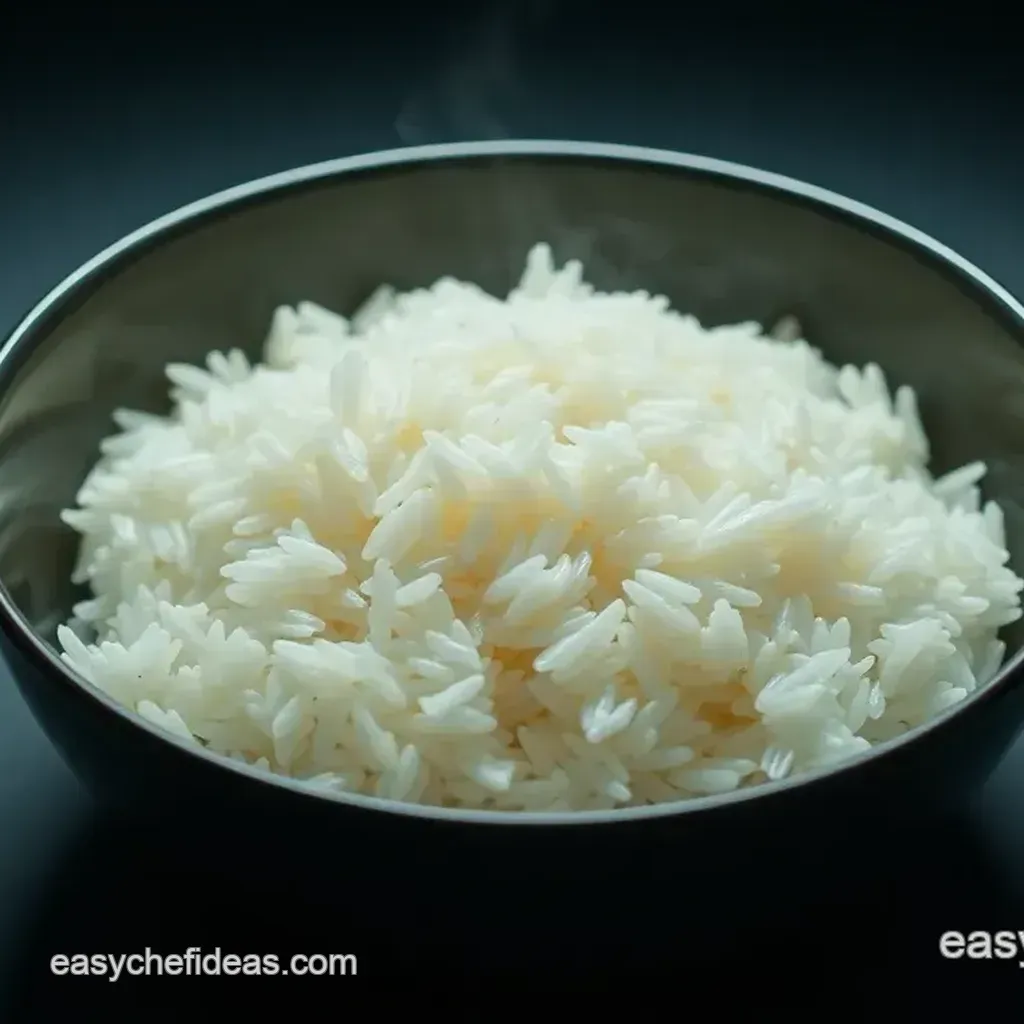
The Secret to Fluffy Perfect Jasmine Rice: Why Rinsing is Key
Picture this: a steaming plate of fragrant jasmine rice, each grain distinct, tender, and beautifully separated – the quintessential base for your favorite stir-fry, curry, or grilled masterpiece. Now, imagine a clumpy, sticky mess that sticks to the pot and disappoints with every bite. If you’ve ever found yourself in the latter scenario, you’re not alone. Achieving truly fluffy perfect jasmine rice often feels like a culinary enigma, with package instructions frequently leading to less-than-ideal results.
But what if we told you the secret to consistently light, airy, and utterly delightful jasmine rice is surprisingly simple, yet often overlooked? It doesn't require a fancy rice cooker or an instant pot (though these can certainly help), but rather a foundational step that many home cooks skip: rinsing. In this comprehensive guide, we'll delve into the science and art behind cooking jasmine rice, revealing why rinsing is not just a recommendation, but the absolute key to unlocking its full fluffy potential.
The Culinary Jewel: Understanding Jasmine Rice
Originating from Thailand, jasmine rice is revered globally for its delicate floral aroma and slightly sweet, nutty flavor. Unlike some other rice varieties, it possesses a soft, tender texture when cooked correctly, making it a beloved staple across Southeast Asian cuisines. Its versatility is unparalleled, serving as the perfect canvas for everything from robust Thai curries and vibrant Vietnamese dishes to simple weeknight stir-fries.
What sets jasmine rice apart from its counterparts, such as the longer-grained basmati or the short-grained arborio, is its unique starch composition. It's classified as a long-grain aromatic rice, and while it shares some characteristics with basmati, it tends to be softer and more delicate. This inherent softness is crucial to remember when it comes to the cooking process, particularly regarding the rice-to-water ratio, which we'll explore in detail later. Understanding these nuances is the first step towards mastering the art of fluffy perfect jasmine rice.
The Sticky Truth: Why Rice Gets Clumpy
Before we dive into the solution, let's understand the problem. The primary culprit behind sticky, clumpy rice is excess surface starch. When rice grains are harvested and processed, a fine layer of starch dust coats their exterior. If this starch isn't removed before cooking, it interacts with the water and heat, essentially dissolving into a glue-like substance. This starchy liquid then binds the individual grains together, creating that undesirable sticky mass.
Think of it like cooking pasta; if you don't use enough water or stir occasionally, the starch released can cause the noodles to stick together. The same principle applies to rice, but with an added layer of complexity due to the grain's inherent starch content and the steaming method commonly used for cooking. To achieve the coveted separation and distinct texture of fluffy perfect jasmine rice, this surface starch must be addressed head-on.
The Unsung Hero: Why Rinsing is Key for Fluffy Perfect Jasmine Rice
This brings us to our main point: rinsing. It might seem like an extra step, but its impact on the final texture of your jasmine rice is profound. Here’s why rinsing is absolutely non-negotiable for achieving that ideal fluffiness:
- Removes Excess Surface Starch: This is the most direct benefit. Rinsing washes away the loose starch particles clinging to the outside of each grain. By doing so, you prevent them from turning into sticky glue during cooking, allowing the rice to cook into separate, distinct, and wonderfully fluffy grains. This is the cornerstone of fluffy perfect jasmine rice.
- Reduces Arsenic and Heavy Metals: Beyond texture, there's a significant health benefit. Rice, like many grains, can absorb naturally occurring arsenic and heavy metals from the soil and water where it's grown. While Thai jasmine rice generally has lower amounts compared to some other varieties, rinsing significantly reduces these substances on the grain's surface. It's a simple step for both better taste and peace of mind.
How to Rinse Rice Effectively:
The process is straightforward:
- Measure Your Rice: Start with your desired amount of jasmine rice.
- Place in a Bowl or Sieve: Transfer the rice to a medium-sized bowl or, even better, a fine-mesh sieve.
- Add Cold Water: Fill the bowl with cold water, or run cold water over the rice in the sieve.
- Swirl and Agitate: Gently swirl the rice with your hand or a spoon. You'll immediately notice the water turning cloudy white – that's the starch dissolving!
- Drain and Repeat: Drain the cloudy water. Repeat this process (adding fresh cold water, swirling, draining) 2-4 times, or until the water runs mostly clear. A slight translucence is fine, but you want to eliminate the milky opacity.
- Final Drain: After the last rinse, ensure the rice is thoroughly drained before moving to the cooking stage.
This simple act takes only a few minutes but makes all the difference, transforming potentially clumpy rice into the distinct, tender grains that characterize truly fluffy perfect jasmine rice.
Beyond the Rinse: Mastering the Stovetop Method for Fluffy Perfect Jasmine Rice
While rinsing is paramount, it's just one piece of the puzzle. The journey to perfectly cooked jasmine rice continues with a precise stovetop method that prioritizes careful ratios and the power of steam. You don't need a specialized appliance to achieve restaurant-quality results; just a good heavy-bottomed pot with a tight-fitting lid.
The Golden Ratio: Less is More
One of the most common mistakes in cooking jasmine rice is using too much water. Because jasmine rice is inherently softer than many other varieties, it requires less liquid. Forget the standard 2:1 water-to-rice ratio often seen on generic rice packages. For fluffy perfect jasmine rice, the foolproof ratio to remember is:
- 1 cup jasmine rice to 1 ¼ cups water.
This slightly lower water content allows the grains to absorb just enough moisture to become tender without turning mushy or sticky. It ensures each grain cooks individually, contributing to that desirable fluffy texture.
Stovetop Cooking Steps for Perfection:
- Prepare Your Ingredients: Once your jasmine rice is thoroughly rinsed and drained, combine it with the measured water in your heavy-bottomed pot.
- Optional Flavor Enhancers: For a subtle boost, add about half a teaspoon of salt per cup of rice. A tablespoon of butter or a teaspoon of neutral oil can also be added; it helps prevent stickiness and adds a rich flavor.
- Bring to a Boil: Place the pot uncovered over medium-high heat and bring the water to a rolling boil.
- Reduce Heat & Cover: As soon as it boils, reduce the heat to the absolute lowest setting. Stir once quickly, then immediately cover the pot with a tight-fitting lid. This lid is critical; it traps the steam, which is essential for cooking the rice evenly.
- Simmer Undisturbed: Let the rice simmer on low heat for 10-12 minutes. The most important rule during this stage is: do not lift the lid! Peeking releases the steam, disrupting the cooking process and leading to unevenly cooked grains.
- Resting is Crucial: Once the 10-12 minutes are up, remove the pot from the heat. Keep the lid on and let the rice rest for another 5-10 minutes. This resting period allows the remaining steam to fully absorb into the grains, completing the cooking process and making the rice even fluffier and more tender.
- Fluff and Serve: Finally, remove the lid and gently fluff the rice with a fork. You'll notice how easily the grains separate, a testament to your meticulous rinsing and precise cooking technique.
For a detailed, step-by-step guide on achieving this perfection, check out our article on Foolproof Stovetop Jasmine Rice: Perfect Fluffy Grains Every Time. And if you’re looking to master this technique without any special equipment, our Master Fluffy Jasmine Rice: Easy Stovetop Recipe, No Rice Cooker has got you covered.
Flavor Boosters and Serving Suggestions
While the goal is to let the natural aroma and delicate flavor of jasmine rice shine, there are simple ways to elevate it further. Besides salt and butter, consider adding a bay leaf, a small piece of star anise, or a thin slice of ginger to the cooking water for an aromatic twist. For a richer, slightly sweeter profile, you can even substitute a portion of the water with coconut milk.
Once you’ve mastered fluffy perfect jasmine rice, the possibilities are endless. It's the ideal accompaniment to spicy Thai Red Curry or vibrant Thai Green Curry. It pairs beautifully with any stir-fry, Asian-inspired grilled meats, or comforting stews. Its versatility even allows it to stand in for Basmati rice in Persian, Lebanese, Indian, or British dishes, offering a slightly different, softer texture that can enhance the meal.
Conclusion
Cooking fluffy perfect jasmine rice doesn't have to be a daunting task. The secret, as we've uncovered, lies primarily in one simple, yet powerful step: thorough rinsing. By diligently washing away excess surface starch, you set the stage for individual, tender grains that are both texturally delightful and safer to consume. Combine this with the precise 1 cup rice to 1 ¼ cups water ratio and the patient stovetop steaming method, and you'll consistently achieve restaurant-quality results in your own kitchen. Embrace the rinse, master the technique, and transform your everyday meals with perfectly cooked, fragrant jasmine rice.
